
Why Clean Clubs Actually Matter
Most amateur golfers never clean their clubs — and it's costing them strokes they don't even know they're losing. After 60 years on the course I can tell you firsthand: clean grooves generate significantly more spin, especially on wedge shots and short irons. Dirty grooves are essentially smooth grooves — and smooth grooves are why amateurs struggle to stop the ball on greens.
A 20-minute cleaning session every few rounds is one of the cheapest and easiest performance improvements available to any golfer. No lessons, no new equipment, no swing changes — just clean clubs.
💡 The Test: Run your thumbnail across your iron grooves after a round. If you feel dirt or debris packed in the grooves, your spin is being compromised. Clean them before your next round and notice the difference.
What You Need
You don't need any special equipment. Everything required is likely already in your home:
- A bucket or sink — large enough to submerge iron heads
- Warm water — warm, not hot (hot water can loosen ferrules)
- Dish soap — a few drops, nothing special required
- A stiff-bristle brush — an old toothbrush works, a dedicated groove brush is better
- Clean dry towels — at least two
- A toothpick or tee — for stubborn packed groove dirt
Optional: groove sharpener for wedges, grip cleaner, steel shaft polish. But the basics above are all you truly need for a thorough cleaning.
The Complete 9-Step Cleaning Guide
Step 1 — Fill a Bucket with Warm Soapy Water
Fill a bucket or sink with warm (not hot) water and add a few drops of regular dish soap. Hot water can loosen the ferrules — the plastic or rubber collar where the shaft meets the club head — on older clubs, so keep the temperature warm rather than scalding.
Important: never submerge woods, hybrids, or any club with a graphite shaft in water. Water can seep into the hosel and cause internal damage over time. Those clubs get wiped down only — more on that in Step 5.
Step 2 — Soak Irons and Wedges for 10 Minutes
Submerge your iron and wedge heads in the soapy water for about 10 minutes. This loosens compacted dirt, grass, and debris from the grooves without any scrubbing. Don't rush this step — letting the water do the work first makes the scrubbing much easier and more effective.
Keep the grips out of the water. Soaking grips accelerates their deterioration and can cause them to become slippery.
Step 3 — Scrub the Grooves
This is the most important step. Use a stiff-bristle brush or dedicated groove brush and scrub each groove individually. Work front to back along the groove — not across it. Scrubbing across the grooves is less effective and can cause unnecessary wear over time.
For stubborn compacted dirt in deep grooves, use a wooden toothpick or the tip of a golf tee to dislodge it before brushing. A groove sharpener can also help restore sharpness to well-worn wedge grooves.
Clean, sharp grooves are what create the backspin that stops the ball on greens and generates the check-and-release action on chip shots. This step alone is worth the entire cleaning process.
Step 4 — Clean the Club Face and Back
After scrubbing the grooves, use the brush to scrub the entire club face, sole, and back of each iron and wedge. Pay particular attention to the hosel — the hollow tube where the shaft connects — where dirt accumulates in the crevice.
Rinse each club under clean running water as you finish it, then move to the next. Leaving soapy water on the face between clubs is fine during the process.
⚠️ Important: Rinse thoroughly — any soap residue left on the club face at impact can affect spin. A quick rinse under running water takes seconds and ensures no residue remains.
Step 5 — Wipe Down Woods and Hybrids
Never submerge woods, hybrids, or graphite-shafted clubs in water. Instead, dampen a clean cloth and wipe the club face, sole, and back. Use a dry cloth on the crown of woods — the paint on driver crowns scratches more easily than most golfers realize.
For stubborn dirt on the face of a wood, use a very soft brush with minimal pressure. The face insert material on modern drivers is less forgiving of aggressive scrubbing than steel iron faces.
Step 6 — Clean the Putter
The putter face deserves its own step because it's often the most neglected club in the bag — and the one that affects your score the most. Wipe the putter face with a damp cloth after every round, even when it looks clean.
Modern putter faces have milled grooves or textured patterns that affect how the ball rolls off the face. Dirt buildup in those patterns changes the launch angle and roll characteristics. For milled face putters with tight patterns, use a Q-tip to clean between the milling lines.
Step 7 — Rinse and Dry Thoroughly
Rinse every club under clean running water, then immediately dry with a clean towel. This step is critical and often skipped — never put wet clubs back in the bag. Moisture trapped in the bag creates rust on steel shafts, accelerates grip deterioration, and promotes mildew in the bag fabric.
After towel-drying, stand the clubs outside the bag or lean them against a wall and let them air-dry for 15–20 minutes before returning them to the bag. In humid weather give them extra drying time.
Step 8 — Clean and Condition the Grips
Grips accumulate hand oils, sunscreen, bug spray, and sweat that make them progressively more slippery over time. Most golfers blame their swing when slipping grips are actually the culprit.
Wipe each grip with a damp cloth and a small amount of mild dish soap, then dry with a towel. For rubber grips that have become smooth over time, lightly sanding with fine-grit sandpaper can restore some texture. The honest truth: replace your grips every 40 rounds or once per season for optimal feel and control. Re-gripping a full set costs $50–$100 and is one of the best investments in your game.
Step 9 — Polish Shafts (Optional)
Steel shafts can be polished with a light coat of car wax or dedicated steel cleaner to prevent rust and maintain appearance. Apply with a cloth, let it sit briefly, then buff off. This is optional but adds years of life to steel shafts in humid climates.
Graphite shafts need no polishing — just wipe clean and keep dry. While cleaning graphite shafts, inspect them carefully for any cracks or chips, particularly near the hosel. Hairline cracks in graphite can fail suddenly under swing load — if you see one, replace the shaft before playing.
How Often Should You Clean Your Clubs?
After every round: Wipe down all club faces with a damp towel on the course, especially after shots from rough, sand, or muddy lies. A quick wipe between shots keeps grooves clear during the round.
Every 3–5 rounds: Full cleaning with soaking, scrubbing, and drying as described in this guide.
Once per season: Deep cleaning including grip inspection, shaft check, and ferrule inspection. Replace grips if they've completed 40+ rounds or feel slick.
💡 The Pro Habit: Tour caddies clean every club after every shot. You don't need to go that far — but keeping a damp towel clipped to your bag and wiping the face before returning each club to the bag takes 3 seconds and keeps your grooves clean all round long.
Golf Club Cleaning FAQ
Can I use a dishwasher to clean golf clubs?
No — never put golf clubs in a dishwasher. The high heat can loosen ferrules, warp shafts, damage club head finishes, and destroy grips. Always clean clubs by hand with warm (not hot) water.
Can I clean rusty clubs?
Light surface rust on steel irons can often be removed with fine steel wool or a rust remover product. For significant rust, a golf club repair shop can refinish the heads. Chrome-plated wedges are particularly susceptible to rust — keep them dry and consider a raw finish wedge if rust is a persistent problem in your climate.
Will cleaning my clubs actually improve my scores?
For most amateur golfers the honest answer is yes — particularly on short game shots. Clean wedge grooves generate significantly more spin on pitch shots, chip shots, and bunker shots. If your wedge shots are rolling out more than you'd like, dirty grooves may be contributing to the problem.
What's the best groove brush?
Any stiff-bristle brush works — an old toothbrush is a perfectly legitimate option. Dedicated groove cleaning tools with brass or steel bristles are more effective and last longer. The Groove Tube and similar tools that attach to your bag for on-course cleaning are very convenient.
Golf Bags That Protect Your Clean Clubs
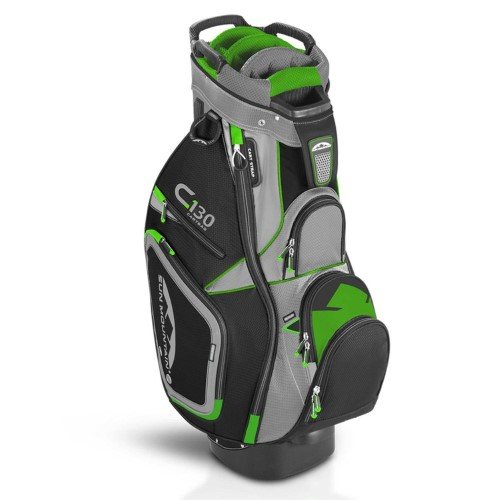
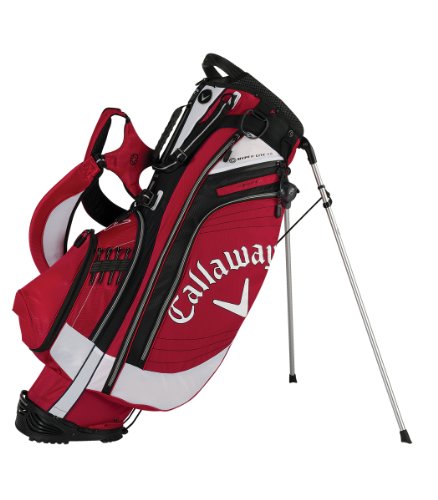
A good bag keeps your clubs organized and protected between cleanings. All available on Amazon.


As an Amazon Associate I earn from qualifying purchases. Prices shown on Amazon at time of purchase apply.