12 bags · Lightweight bags for walkers
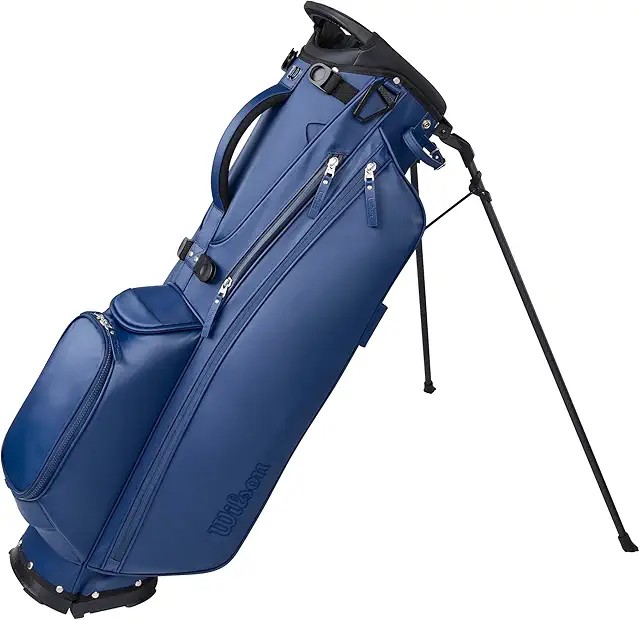
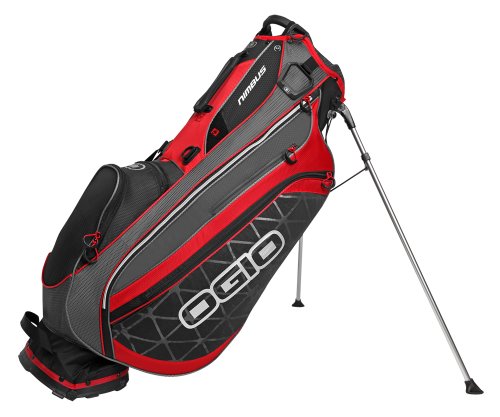
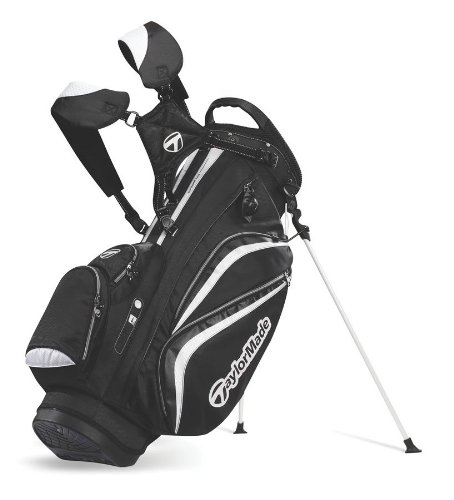
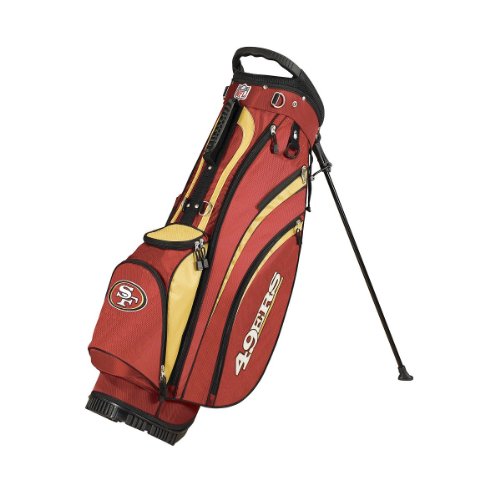
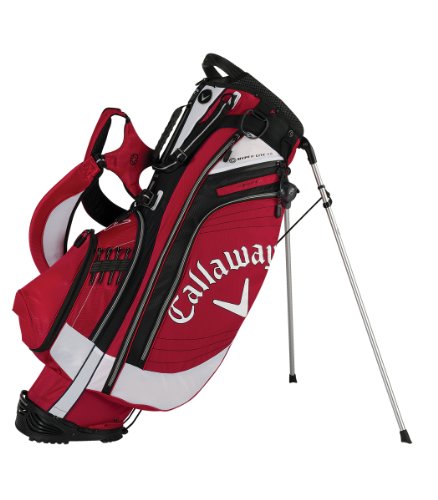
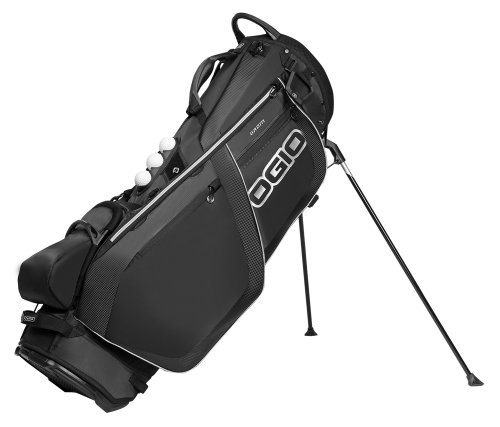
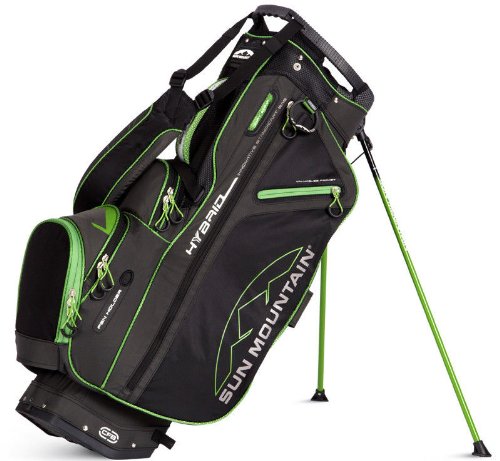
Carry bags are designed for golfers who walk the course. Lightweight, comfortable, and most include a built-in stand. All links go directly to Amazon.
As an Amazon Associate I earn from qualifying purchases.
4 bags · Built to ride
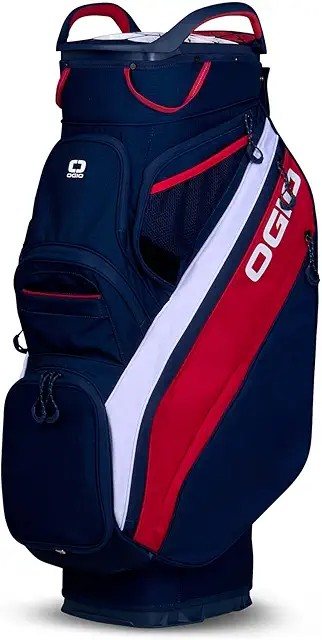
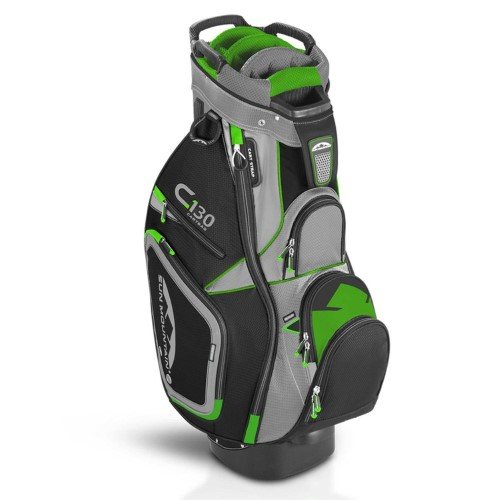
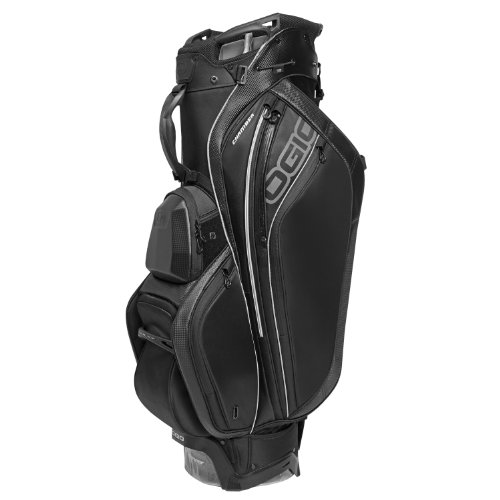
Cart bags are built to ride. Heavier and more spacious than carry bags, with more pockets and better organization. Ideal for gas carts, electric carts, or push trolleys.
As an Amazon Associate I earn from qualifying purchases.


2 bags · Protect your clubs on the road
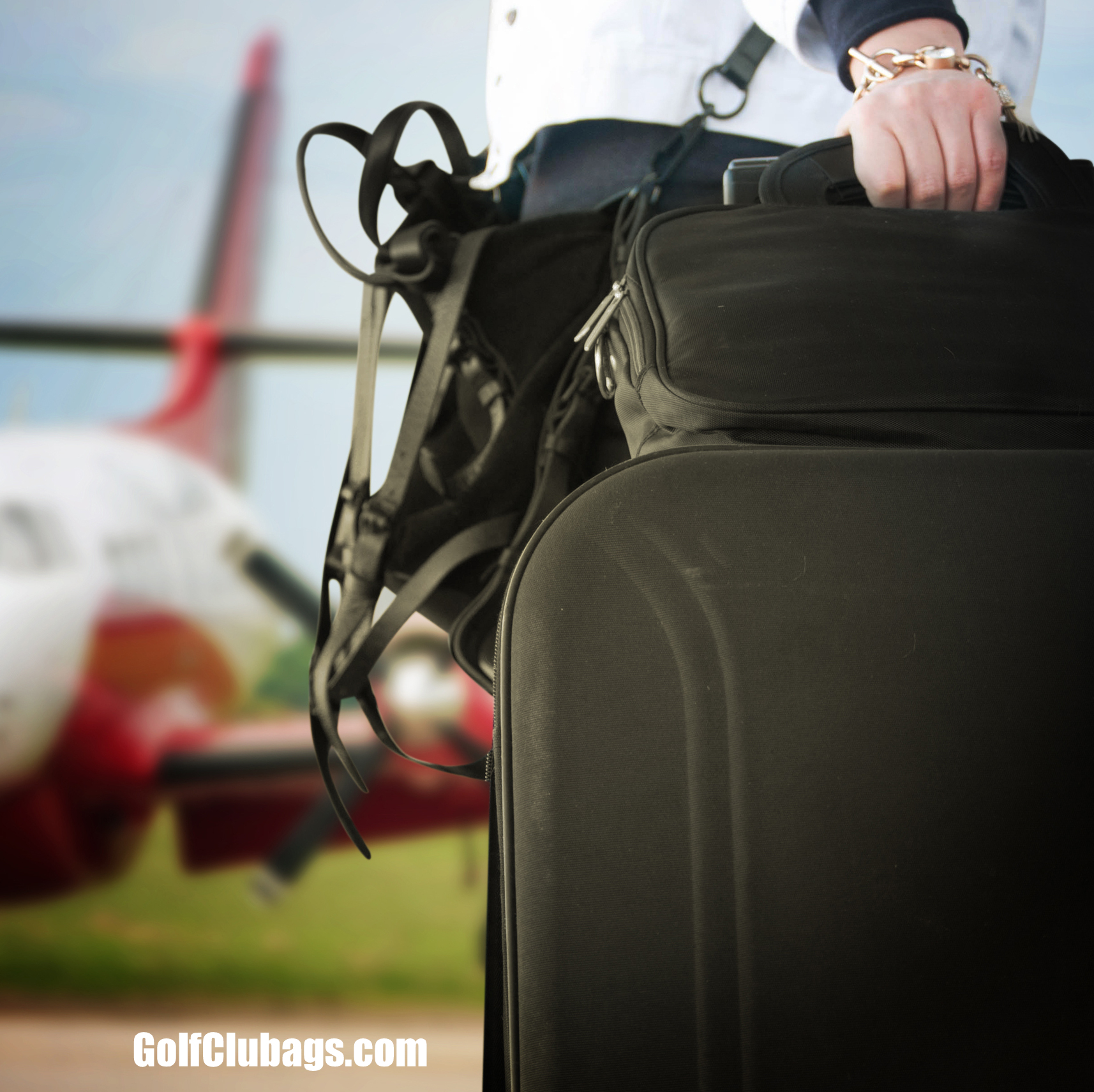
Travel bags protect your clubs during airline travel and road trips. If you fly with clubs even once a year, a quality travel bag is an essential investment.
As an Amazon Associate I earn from qualifying purchases.
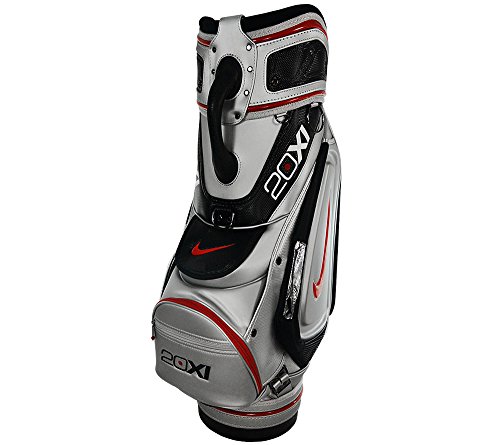
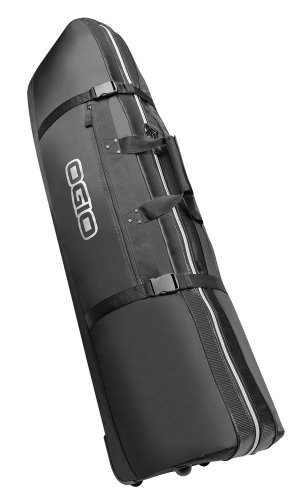
OGIO's flagship travel bag with rigid frame, premium padding, and wheeled base for easy airport navigation.
Check price on Amazon →
The most trusted travel bag in golf. Hard-formed bottom, retractable handle, and premium padding for any airline.
Check price on Amazon →Sized for young golfers
Junior bags and sets are sized specifically for young golfers. Getting the right gear helps kids fall in love with the game from day one.
As an Amazon Associate I earn from qualifying purchases.
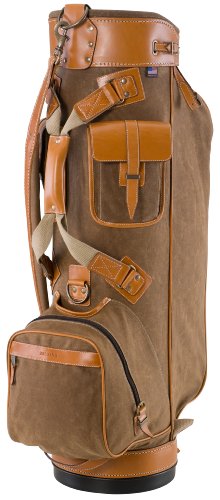
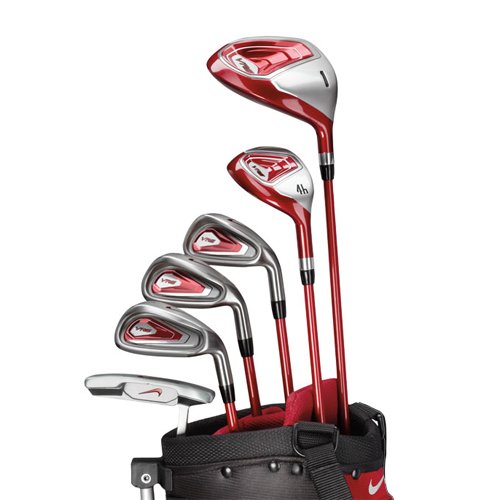
TaylorMade's complete junior golf set for young players. Includes bag and clubs.
Check price on Amazon →Designed for women golfers
Women's golf bags combine lighter weight, contoured fit, and stylish colorways with the same organizational features as standard bags.
As an Amazon Associate I earn from qualifying purchases.
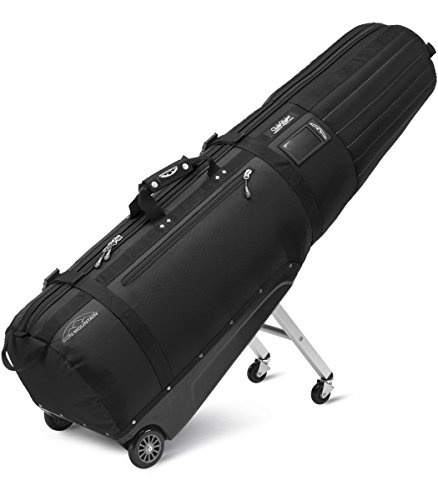
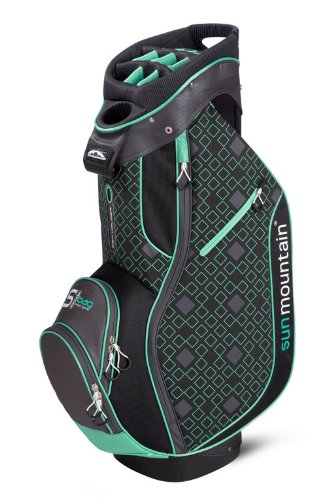
Sun Mountain's lightweight women's cart bag. Stylish colorways, thoughtful organization, and premium construction.
Check price on Amazon →Top picks for every golfer
Looking for the perfect golf gift? Browse our top picks — all available on Amazon with fast shipping.
As an Amazon Associate I earn from qualifying purchases.


Which bag is right for you?
Your complete guide to choosing, buying, fitting, and caring for a golf bag — plus what to pack, seasonal tips, gift ideas, the full history of golf bags, surprising facts, unusual uses, and our top-rated Amazon picks at every price point.
Click any section to jump straight there.
I've been playing golf for over 60 years. Scratch golfer at my peak. Two holes in one. Dozens of tournaments competed in — and attended some of the greatest events in the game, including the Ryder Cup and the Mercedes Championships.
In that time I've carried, tested, and worn out more golf bags and accessories than I can count — and spent hundreds of hours researching the ones I haven't personally used, watching videos, reading some of the oldest golf instruction books ever written, and attending top professional tournaments to see how the best in the world do it.
Everything I know about golf bags is on this one page. No fluff, no filler — just six decades of experience, organized so you can find exactly what you need.
Click any category to browse products with Amazon pricing. Every golfer is different — find the bag style that fits your game.

Lightweight and designed for walkers. Stand bags that keep you moving comfortably through 18 holes.
12 bagsBrowse all 12 →
Built to ride. More pockets, more organization — perfect for gas carts, electric carts, or push trolleys.
4 bagsBrowse all 4 →
Protect your clubs on the road. Hard-shell and soft-sided options for airports and road trips.
2 bagsBrowse all 2 →
Right-sized for young golfers. Lightweight, durable bags that help kids fall in love with the game.
1 bagBrowse →
Stylish and functional bags designed with women golfers in mind — lighter weight and great looks.
1 bagBrowse →
Top-selling golf gifts — junior sets, premium bags, and accessories any golfer will love to receive.
4 itemsBrowse →Three of our best-value bags available on Amazon right now — hand-picked for quality, performance, and current pricing.
🔥 Top Pick14-way stadium top with an integrated handle and quick-release ergonomic shoulder strap. Sleek design with ample storage.
Check price on Amazon →
🔥 Top Pick9-inch, 6-way top with an integrated handle and 5 full-length dividers. Dual strap system for comfortable all-day carrying.
Check price on Amazon →
🎉 Fan FaveShow your team pride on the course. 9-inch, 5-way top with 7 pockets. Available in NFL team colors. Weighs just 5.5 lbs.
Check price on Amazon →As an Amazon Associate I earn from qualifying purchases. Prices shown on Amazon at time of purchase apply.
We carry top names trusted by golfers at every level. Click any brand to shop on Amazon.
As an Amazon Associate I earn from qualifying purchases.
Match yourself to a golfer type and we'll point you to the right bag category every time.
You carry your bag the full 18. Fitness and feel are your priorities. You want a bag that disappears on your back.
→ Golf Carry / Stand BagYou ride in a gas or electric cart every round. Maximum storage and organization without worrying about weight.
→ Golf Cart BagYou walk some rounds and ride others. You need one versatile bag that performs well in both situations.
→ Hybrid Stand BagYou play destination courses and fly with your clubs. You need maximum protection for your gear.
→ Golf Travel BagShopping for a junior, a spouse, or a golf-obsessed friend or family member.
→ Junior / Women's / GiftsJust starting out. You want something practical, durable, and affordable to get on the course.
→ Carry Bag Under $150Walkers should prioritize carry or stand bags — lightweight with a comfortable strap. Riders benefit from cart bags with more pockets and organization.
A carry bag should weigh under 5 lbs. Anything heavier adds real fatigue over 18 holes. Cart bags can afford more weight since they're not carried the full round.
More dividers means less club tangling. A 14-way top gives every club its own slot. A 4–7 way top is lighter for golfers who prefer a streamlined setup.
More pockets means better organization for balls, gloves, valuables, and rain gear. Look for an insulated pocket if you like to keep a drink cold on the course.
If you fly with your clubs, invest in a dedicated travel bag. It can save hundreds in repair costs — club repairs often exceed the cost of a good travel case.
Excellent carry bags start around $100–$175. Premium stand bags run $200–$300+. Check Amazon prices regularly — deals on top brands are common year-round.
A side-by-side look at how each bag type performs across the features that matter most to buyers.
| Feature | Carry / Stand | Cart Bag | Hybrid Bag | Travel Bag | Junior Bag |
|---|---|---|---|---|---|
| Typical Weight | 3–5 lbs | 6–10 lbs | 4–6 lbs | 4–8 lbs empty | 1.5–3 lbs |
| Good for Walking | ✔ Best choice | ✘ Too heavy | ✔ Good | ✘ Not intended | ✔ Lightweight |
| Good on a Cart | ✔ Works fine | ✔ Designed for it | ✔ Works fine | ✘ Not intended | ✔ Works fine |
| Club Protection | Moderate | High | High | Maximum | Moderate |
| Pocket Count | 5–10 | 8–15+ | 6–12 | 2–5 external | 2–5 |
| Built-in Stand | ✔ Most models | ✘ No | ✔ Yes | ✘ No | ✘ Usually no |
| Airline-Friendly | ✘ Needs travel bag | ✘ Needs travel bag | ✘ Needs travel bag | ✔ Designed for it | ✘ Needs travel bag |
Shaft length, club head size, and grip type all affect which bag works for you. Three quick checks before you buy.
Standard adult clubs run 43–48 inches. Most adult bags accommodate this range. Junior clubs (28–39 inches) need a junior bag. Extended custom clubs (48–50 inches) may not fit some carry bags.
Modern oversized driver heads (460cc) need more room at the top of the bag. A 9-inch top is minimum for a full modern set. Oversized woods or mallet putters benefit from a 10–11 inch top or dedicated putter well.
Grip size affects how clubs sit in dividers. Standard grips fit any bag. Midsize grips fit bags with 9-inch or larger top. Jumbo grips need a 10–11 inch top with full-length dividers to prevent jamming.
Standard adult clubs with standard grips → any 9-inch bag works. Oversized modern set with jumbo grips → go 10–11 inch top with full-length dividers. Junior golfer → buy a junior-specific bag.
The top of your bag matters more than most buyers realize. Here's what 4-way, 7-way, and 14-way actually mean on the course.
Four large sections hold multiple clubs each. Clubs can clank together, but the bag stays lighter and loads quickly. Good for experienced golfers who prefer a streamlined setup.
The sweet spot for most golfers. Enough separation to prevent tangling without adding bulk. Used in bags like the OGIO Fuse 4 and Callaway Hyper Lite.
One slot per club — no tangles, no clatter. Most common on cart bags. The Sun Mountain Hybrid and TaylorMade Supreme Lite both feature 14-way tops.
Which brand is right for your playing style? Here's how the top names stack up across the categories that matter most.
The gold standard for carry and hybrid bags. Sun Mountain invented the stand bag in 1986 and has led bag innovation ever since. Their bags last for years, hold up in any weather, and feel better the more you walk.
Shop Sun Mountain on Amazon →OGIO's bags are known for premium organization, bold styling, and exceptional build quality. Their stand bags and cart bags consistently top buyer ratings. The Woode Hybrid and Fuse 4 are two of our top picks across the whole site.
Shop OGIO on Amazon →Callaway produces some of the best value carry and stand bags on the market. The Hyper Lite series in particular is consistently one of the top-selling golf bags of any brand — lightweight, durable, and well-priced for beginners and experienced golfers alike.
Shop Callaway on Amazon →TaylorMade makes sleek, performance-focused bags used by tour professionals worldwide. Their stand bags are particularly well-designed with 14-way tops, ergonomic strap systems, and a clean aesthetic that appeals to serious golfers who also care about how they look on the course.
Shop TaylorMade on Amazon →Titleist bags are premium, understated, and built to last. Used by more tour professionals than any other brand, Titleist bags prioritize function over flash. Their cart bags are particularly well-regarded for organization and durability over many seasons of play.
Shop Titleist on Amazon →Nike Golf bags are stylish, recognizable, and well-built. Their performance cart bags and hybrid carry bags offer excellent features at competitive price points. Nike bags are a strong choice for golfers who want tour-brand quality without the Titleist price tag.
Shop Nike on Amazon →Accurate yardages are the single biggest improvement most amateur golfers can make. Here's how to choose the right device — and which ones belong in your bag pocket.
Point at the flag, pull the trigger, get an instant exact distance. Laser rangefinders are the most accurate option — typically within one yard. They work on any course without needing maps or updates. Best for golfers who want precise numbers fast.
GPS devices show front, center, and back distances to the green automatically as you walk — no pointing required. GPS watches are the most convenient option, showing yardages right on your wrist. Best for golfers who want hands-free distance information.
Apps like Golfshot, 18Birdies, and Arccos turn your existing smartphone into a GPS device. Many courses are pre-loaded, and premium tiers add shot tracking, stat analysis, and AI caddie features. The most affordable entry point for distance measurement.
If you play competitively or value pin-point accuracy — go laser. If you walk the course frequently and want effortless yardages — go GPS watch. If you're just starting out or play casually — try a free app first. Most serious golfers end up with both a laser for exact pin distances and a GPS watch for front/back/center information throughout the round.
Join golfers who've used our free checklist to find the perfect bag. Includes 7 buying steps, trivia, history facts, and unique bag uses — delivered instantly to your inbox.
By subscribing you agree to receive email updates from GolfClubags.com. Unsubscribe at any time.
The best-prepared golfers carry the right things — not the most things. A complete packing guide organized by priority.
Never carry anything in your bag you didn't use in the last three rounds. Dead weight costs you on every hole. Go through your bag at the start of every season and remove anything sitting unused.
The right accessories transform a basic bag into a complete, organized setup. These are the add-ons that experienced golfers swear by.
A clip-on umbrella holder keeps your golf umbrella accessible without taking up pocket space. Attaches to most bag handles. Essential for anyone who plays in variable weather.
Check price on Amazon →A carabiner-style towel clip lets you hang two towels — one for clubs, one for ball and hands. Microfiber golf towels dry faster than cotton and clean grooves better. Keep at least two in the bag at all times.
Check price on Amazon →Don't have a built-in insulated pocket? Add-on cooler bag attachments clip to cart bags or slip into main pockets to keep drinks cold for a full 18 holes. Game-changer in summer heat.
Check price on Amazon →A bag-mounted rangefinder holder keeps your device accessible between shots without digging through pockets. Velcro and magnetic versions both work well. Compatible with most laser and GPS devices.
Check price on Amazon →A quality push cart strap secures your bag tightly so it doesn't wobble or tip. Many stock cart straps stretch and slip over time. A third-party aftermarket strap is a cheap upgrade that makes a real difference.
Check price on Amazon →At busy courses, bags look alike on the cart path. A personalized bag tag or bright ID clip makes your bag instantly recognizable, prevents mix-ups, and adds a personal touch. Great customization gift too.
Check price on Amazon →Alignment sticks are one of the most underused training aids in golf. A dedicated clip holder keeps them on the outside of your bag and ready for warm-up use before every round.
Check price on Amazon →A compact power bank in your valuables pocket keeps your phone charged through GPS apps, scorecard apps, and photography over a 4-5 hour round. 10,000mAh is enough for 2-3 full charges.
Check price on Amazon →A waterproof Bluetooth speaker that clips to your bag is one of the most popular accessories on the market. Check local course rules — most courses allow personal speakers at reasonable volumes on the course.
Check price on Amazon →As an Amazon Associate I earn from qualifying purchases.
Your bag is an extension of your personality on the course. Here's how to customize it, upgrade it, and make it completely your own.
One of the most popular bag customizations in golf. From lions and tigers to dinosaurs, sharks, and squirrels — novelty head covers protect your driver and woods while starting conversations on every tee box. Collections exist for virtually every animal, character, and mascot imaginable.
Check price on Amazon →Rep your favorite team from the first tee to the 18th green. Team-branded head covers, bag tags, towels, and even full team-colored bags are available for most college and professional sports teams. The Wilson NFL bag is our top pick for the sports fan golfer.
Check price on Amazon →A clip-on waterproof Bluetooth speaker transforms a solo round into a soundtrack experience. Position it on the external pocket or bag handle for 360-degree sound. Top picks include the JBL Clip series and Bose SoundLink Micro — both designed for outdoor use.
Check price on Amazon →Add a clip-on cooler or insulated pouch to any bag — even those without a built-in cooler pocket. Hold 4-6 canned drinks cold for a full round. Some systems include a dedicated ice compartment. A cart bag cooler upgrade is one of the most-loved additions for summer golf.
Check price on Amazon →Personalized bag tags with your name, initials, home course, or custom artwork make your bag instantly identifiable and add a premium feel. Leather, metal, and acrylic options are all available. A monogrammed leather tag is one of the most understated-luxury upgrades a golfer can make.
Check price on Amazon →Swap out a plain black rain hood for a team-colored or custom-printed version. Rain hoods are one of the most visible parts of a bag when it's on the cart, and a matching or contrasting hood in team colors gives the whole setup a coordinated look.
Check price on Amazon →Alignment sticks are ubiquitous on tour, and colored covers or personalized wraps turn a basic training aid into a style statement. They also protect the sticks from getting scratched inside the bag on cart rides.
Check price on Amazon →Mount a groove sharpener and brush combo to your bag's D-ring so it's always accessible between holes. Clean, sharp grooves add spin and control — especially on short iron and wedge shots. A subtle upgrade that has a real impact on ball flight.
Check price on Amazon →Swap standard cotton towels for embroidered or custom-printed microfiber versions with your name, initials, or favorite phrase. Tour-quality waffle weave golf towels are available in every color and customization option. One of the most affordable personalization upgrades on the course.
Check price on Amazon →As an Amazon Associate I earn from qualifying purchases.
Pocket count is just the start. Here's what golfers actually store in each pocket type.
What your bag is made of determines how it holds up over years of play — in rain, sun, and everything in between.
The most common carry bag material. Lightweight, flexible, and water-resistant. Most bags in the $100–$250 range use nylon. Easy to clean and holds up well to regular use.
Similar to nylon but more resistant to UV fading. Common in mid-range bags. Holds color well over many seasons — solid for golfers who leave their bag in a cart or trunk.
Premium look and feel. Genuine leather ages beautifully. Faux leather gives the look at lower weight. More maintenance required — avoid prolonged moisture.
Zippers are the first thing to fail. Look for YKK zippers and oversized pulls that grip well in cold or wet weather. Metal hardware outlasts plastic significantly.
Dual-strap systems spread weight across both shoulders. Look for padding, a sternum strap, and hip belt on premium bags to cut fatigue over 18 holes of walking.
A snap-on cover protecting club grips from rain. Most quality bags include one — some budget bags omit it. Always verify before buying.
A well-maintained golf bag lasts a decade or more. Protect your investment with these simple habits.
Wipe down with a damp cloth. For stubborn dirt, use mild soap and a soft brush. Never use bleach — it degrades nylon and fades color quickly.
Never store a damp bag in a closed space. Moisture breeds mold and mildew inside pockets. Let it air out fully after every wet round.
Apply zipper lubricant or beeswax a few times per season. Never force a stuck zipper — work it gently to avoid breaking the pull.
Store standing upright, off concrete floors which draw moisture. A bag rack or wall hooks are ideal. Avoid long-term leaning — it deforms the stand legs.
Remove all food, wet items, and electronics. Empty all pockets. Clean and apply a fabric protector spray for moisture resistance during storage.
Condition leather bags 2–3 times per year. Keep out of direct sun and rain. A well-cared-for leather bag can outlast many synthetic ones.
Dirty grooves cost you spin, distance, and control. Clean clubs perform better on every shot — and last decades with proper care. Here's the complete guide.
Use warm (not hot) water with a few drops of dish soap. Hot water can loosen the ferrules on some older club heads. Avoid soaking wood or graphite shaft clubs — water can seep into the hosel and cause damage over time.
Submerge iron and wedge heads for 10 minutes. This loosens compacted dirt and grass from grooves without any scrubbing. Never soak woods, hybrids, or graphite-shafted clubs — just wipe those with a damp cloth.
Use a stiff-bristle brush or dedicated groove brush to scrub each groove individually. Work front-to-back along the groove, not across it. A toothpick or tee can dislodge stubborn dirt in deep grooves. Clean grooves = more spin = better ball control.
Scrub the entire club face, sole, and back with the brush. Pay attention to the hosel where dirt accumulates around the shaft. Rinse thoroughly — soap residue left on the face can affect spin at impact.
Never submerge woods or hybrids. Dampen a cloth and wipe the face, crown, and sole. Use a dry cloth on the crown — paint scratches easily. For stubborn dirt on the face, use a very soft brush with minimal pressure.
Wipe the putter face with a damp cloth after every round — even when it looks clean. Putter faces have milled grooves or texture that affects roll, and dirt buildup changes how the ball comes off the face. Use a Q-tip for tight milled face patterns.
Rinse every club under clean running water, then immediately dry with a clean towel. Never put wet clubs back in the bag — moisture trapped in the bag creates rust on steel shafts and promotes mildew in the bag fabric. Air dry before storing.
Grips collect hand oils, sunscreen, and sweat that make them slick over time. Wipe with a damp cloth and mild soap, then dry with a towel. Rougher grips can be lightly sanded with fine sandpaper. Replace grips every 40 rounds or once per season for optimal feel.
Steel shafts can be polished with a steel cleaner or car wax to prevent rust and maintain appearance. Graphite shafts need no polishing — just wipe clean and keep dry. Check for cracks or chips in graphite shafts while cleaning — hairline cracks can fail suddenly under swing load.
Your bag needs change with the seasons. Here's how to get the most out of it year-round.
More golfers are choosing push carts every year. Here's the honest breakdown of both options so you can decide what's right for your game.
If you play 2+ rounds per week or experience any back or shoulder fatigue after carries — a push cart will immediately improve your game and your enjoyment. The upfront cost pays back in better scores, less pain, and more fun over a full season. If you play once a week on a flat course and enjoy the workout — keep carrying.
As an Amazon Associate I earn from qualifying purchases.
Where you place your bag, how you handle it on the cart, and how you interact with other golfers' equipment all reflect your respect for the game. Here's what every golfer should know.
The PGA handbook is explicit — golf bags must never be placed directly on the putting surface. Bag legs and frames damage the delicate turf even when it looks harmless. Always set your bag on the fringe or collar surrounding the green, never on the green itself.
When "cart path only" rules are in effect, your bag stays on the cart while you walk to your ball. Take multiple clubs with you so you don't make multiple trips. Place your bag on the path side of the fairway — never drive carts on the grass when path-only rules apply.
When walking, position your bag on the side of the hole between the green and the next tee. This saves time when leaving the green. On a par 3, place your bag behind the green in the direction of the next tee before you putt.
Rattling clubs, dragging bags across cart paths, and unzipping pockets while others are swinging are all distracting to playing partners. Use head covers to reduce club noise, open pockets before arriving at your ball, and move your bag quietly around other players.
Never move another golfer's bag without asking. Never reach into another player's bag for tees, balls, or towels — even with good intentions. Always confirm before touching another golfer's equipment. This is one of golf's most universally respected boundaries.
When pulling up to the bag drop, have your bag ready to hand off immediately — don't make the attendant wait. Tip the bag drop attendant ($2–$5) if they unload and rack your clubs. Leave a club count reminder with your bag so you know how many clubs to count when you pick it up.
USGA Rule 4-4 limits golfers to 14 clubs during competition. Carrying more results in penalties — two strokes per hole in stroke play, or loss of hole in match play, to a maximum of four strokes. In serious competition, bags are inspected before play begins.
Your bag setup directly affects pace of play. Walk to your ball as your partners play. Pre-select your club before reaching your ball. Have your bag positioned for a quick exit from each green. Slow play is the most common complaint in recreational golf — efficient bag management is a major factor.
From a bundle of sticks tied with twine to high-tech carry systems — over 600 years of evolution on the fairway.
Golf originates on the wind-swept links of Scotland. No bags existed — golfers carried clubs loose or bound them together with twine or cord and hauled them across the course on foot.
The first true golf bags appear — narrow canvas tubes reinforced with metal ends, 34–35 inches tall with a 4.4-inch opening. Called "pencil bags" for their slim shape, they held a handful of clubs with no pockets and no strap. This basic design stayed in use until the 1930s.
Inventor James Herbert Winslow patents one of the first golf bags with a dedicated second compartment — the direct ancestor of the multi-pocket bags sold today.
Golf bags become symbols of prestige. Premium bags are custom-crafted by skilled leatherworkers with hand-tooled designs and monograms. The quality of your bag signals your social standing as much as your handicap.
The USGA officially limits golfers to 14 clubs during competition — the rule that has defined the size and organization of every golf bag designed since.
The electric golf cart is introduced and the cart bag is born. Bags grow heavier and larger — vinyl and canvas behemoths. By 1960, visionary promoter George May replaces caddies at his Tam O'Shanter course with electric carts, sparking a national shift toward riding.
San Jose golf pro Rick Reimers borrows lightweight nylon construction from backpack manufacturers and creates the first truly lightweight carry bag under his company, Sun Mountain. The result weighs less than half of anything previously available — a revolution for walkers.
Sun Mountain invents the first golf bag with built-in retractable legs — the ECLIPSE®. Widely considered the single biggest innovation in modern golf bag history. Every major brand quickly follows.
T.J. Izzo patents the IZZO Dual Strap System. The USGA's technical director ranks it the 4th greatest innovation in modern golf — behind only graphite shafts, the modern golf ball, and metal woods. Virtually every stand bag today uses this system.
Golf bags evolve into high-tech gear systems. Weatherproof zippers, insulated cooler pockets, GPS holders, USB charging ports, hip-belt weight transfer systems, and ultralight frames under 2.5 lbs. Today's bags weigh less, protect more, and organize better than anything golfers imagined in 1886.
Surprising things most golfers have never heard about the bag they carry every round.
In the 1980 film, Rodney Dangerfield's bag was fitted with a phone, a television, and a built-in sound system — a comedic exaggeration of how ridiculously large and heavy cart bags had become by the late 1970s.
The USGA's technical director officially ranked the dual shoulder strap the 4th greatest innovation in modern golf — just behind graphite shafts, the modern golf ball, and metal woods.
Under USGA Rule 4.4, carrying more than 14 clubs during competition results in disqualification. This rule — adopted in 1939 — is why virtually every golf bag ever made is designed to hold exactly 14 clubs.
The PGA handbook specifies that golf bags must never be placed directly on the putting surface. Bag legs and frames damage delicate turf even when it looks harmless.
When Rick Reimers set out to build a lighter golf bag in the 1970s, he studied backpack manufacturers — not golf equipment. The lightweight nylon, dual straps, and hip belts now standard in golf bags were all borrowed from the hiking industry.
The original late-1800s golf bags had a top opening of just 4.4 inches — nearly identical to the 4.25-inch diameter of a golf hole. Clubs were packed in as tightly as pencils in a case.
Despite golfers playing in rain for centuries, the first fully waterproof golf bag — Sun Mountain's H2NO — wasn't introduced until 2007. Prior to that, rain covers were the only protection available.
A fully loaded PGA Tour player's staff bag can weigh 35 to 50+ pounds when packed. A professional caddie carries this weight for 4–5 miles over 18 holes, often 4 days in a row.
Sun Mountain's 2001 Superlight stand bag weighed just 2.5 lbs — lighter than most laptops. Today's ultralight carry bags can weigh under 2 lbs empty. Canvas and vinyl bags of the 1960s could weigh 8–10 lbs before a single club was added.
Premium golf bags now come with integrated USB charging ports and battery packs built into the bag structure. What Rodney Dangerfield joked about in 1980 is now a standard product feature.
Golf bags are surprisingly versatile. Once golfers get creative — or desperate — the possibilities go well beyond the fairway.
The long, narrow tube of a carry bag is nearly perfect for transporting fishing rods. Many anglers use old Sunday bags or slim pencil-style bags to protect rod sections during travel. The pockets handle tackle boxes, reels, and line with ease.
A retired cart bag with its multiple pockets and insulated cooler section makes a fantastic campsite organizer. Main pocket holds sleeping bag liners, cooler pocket keeps drinks cold, smaller pockets organize headlamps and first aid gear.
Plein air painters and outdoor photographers have discovered that golf stand bags work brilliantly as equipment carriers. Tripods, easels, and light stands slide into the main tube. The stand-up legs mean your gear stays upright and accessible in the field.
Hockey sticks, lacrosse sticks, and baseball bats all fit comfortably inside a golf bag. Youth players benefit from the dual strap system, which makes carrying long equipment far more comfortable than a traditional stick bag.
An old golf bag repurposed as a garden tool caddy is genuinely practical. Long-handled tools like shovels and rakes slide right in. The stand-up legs keep the bag upright while you work. Roll it across the yard instead of making multiple trips to the shed.
Musicians carry mic stands, music stands, and drum hardware in golf travel bags for touring. The padded hard shell protects fragile equipment better than soft bags, and wheeled versions roll smoothly through airports and venues.
A Sunday bag or lightweight carry bag makes a capable beach bag. Umbrellas and towels go in the main tube. The insulated pocket keeps drinks cold. The dual strap keeps hands free. Rinse and dry thoroughly after salt water exposure.
A retired golf bag kept in the trunk makes an excellent permanent roadside emergency kit. The main tube holds a collapsible shovel and jumper cables. Pockets organize first aid, flashlight, and emergency blanket. The carry strap means everything goes to the roadside in one trip.
The long cylindrical shape of a golf bag tube is nearly perfect for storing rolls of gift wrapping paper. Stand it upright in a closet and your wrapping supplies stay organized and protected from crushing. The pockets handle tape, scissors, and tags.
Rolled yoga mats, foam rollers, and resistance bands fit perfectly inside a golf carry bag. The dual strap system is far more comfortable than a single-strap gym bag. Lightweight Sunday bags make the yoga mat the heaviest thing in the entire setup.
Have a unique use we missed? Golf bags have been repurposed as everything from umbrella stands and telescope cases to kayak paddle carriers. The combination of a long protected tube, multiple organized pockets, stand-up legs, and a comfortable carry system makes them one of the most versatile bags ever designed — even when there's not a golf club in sight.
Prefer to see a bag in person before you buy? These are the top golf retailers in the U.S. — all with large golf bag selections online and in store.
America's largest sporting goods retailer. Huge golf bag selection in store and online — all major brands, all price points. Best Price Guarantee means they'll match any lower price.
Shop Golf Bags at Dick's →Golf-only retail with expert staff, club fitting, TrackMan simulators, and one of the best bag selections anywhere. Part of the Dick's family — same Best Price Guarantee.
Shop Golf Bags at Golf Galaxy →The official store of the PGA Tour. Massive selection of bags, clubs, apparel, and accessories. Expert staff, lessons, and club fitting available in every location.
Shop Golf Bags at PGA Tour Superstore →A beloved regional golf specialty retailer with deep roots in the Southeast. Known for knowledgeable staff, fair pricing, and a curated selection of premium bags and equipment.
Shop Edwin Watts Golf →New and certified pre-owned golf equipment at unbeatable prices. Great place to find premium bags from Sun Mountain, PING, and Titleist at 30–50% off retail. Buy, sell, and trade.
Shop Golf Bags at 2nd Swing →After 60 years on the course and hundreds of hours of research, these are the YouTube channels Charles recommends most for improving your game.
For the golfer who loves the history of the game as much as playing it. Signed items, vintage clubs, rare cards, and pieces of golf history.
The leading destination for golf collectibles and memorabilia. Founded in 2006, Golden Age has helped collectors buy, sell, and consign some of the most significant golf collectibles in history — with clients in 58 countries worldwide.
Featured on ESPN, Golf Digest, Sports Illustrated, Fox Business, CNBC, CBS Sports, and Golf.com. The most trusted name in golf memorabilia.
Browse Golden Age Auctions →Browse our eBay listings for rare autographed golf cards and collectibles. Currently featuring a 2003 Upper Deck SP Game Used Tiger Woods Scorecard Signatures card — PSA graded 9 with authenticated auto.
From the most iconic venues in the world to the strangest, most remote, and most unusual — a golfer's guide to courses that stand apart from the rest.
The 6 most commonly misunderstood rules in recreational golf — explained plainly so you never slow down play or lose strokes unnecessarily.
You have 3 minutes to search for a lost ball. If not found, return to where you played the original shot, take a 1-stroke penalty, and play again. In casual play, a local rule often allows a drop near where the ball was lost with a 2-stroke penalty to save time.
White stakes = out of bounds. OB carries a stroke-and-distance penalty — you must replay from the original spot. The Local Rule alternative (used in most casual play) lets you drop in the fairway near where the ball went OB with a 2-stroke penalty.
Red stakes = lateral penalty area. Yellow stakes = penalty area. With a 1-stroke penalty you can drop within 2 club lengths of where the ball entered (red), or behind the hazard on a line from the flag (yellow). You may play from inside the hazard without penalty if accessible.
You are always entitled to declare your ball unplayable (except in a penalty area). Take a 1-stroke penalty and choose from: (1) replay from original spot, (2) drop within 2 club lengths no closer to the hole, or (3) drop on a line behind the ball keeping it between you and the flag.
If your ball lands on the wrong putting green you must take free relief — drop within one club length of the nearest point of relief no closer to the hole. You may not putt from a wrong green. No penalty stroke — this is mandatory free relief.
You may carry a maximum of 14 clubs during a round. Penalty: 2 strokes per hole in stroke play (max 4 strokes), or loss of hole in match play. You may carry fewer than 14 and add clubs during a round as long as you don't exceed 14. Check your bag count before every round.
Your smartphone is already one of the most powerful golf tools available. These are the top-rated apps that serious golfers use every round.
One of the most popular GPS apps in golf with over 40,000 courses mapped. Auto-detects your shot distances, tracks stats, and offers an AI caddie feature on premium. Apple Watch compatible.
GPS yardages, AI caddie club recommendations, digital scorecard, and a social leaderboard. One of the most feature-rich free golf apps available. Premium tier adds shot tracking and advanced stats.
Installs tiny sensors in your grip caps to automatically track every shot. After a few rounds it knows your exact distances with every club and gives personalized recommendations. Used by PGA Tour professionals for data analysis.
The most popular free handicap tracking app in North America. USGA-compliant handicap calculation, GPS yardages, digital scorecard, and stat tracking all in one. Ideal for golfers who want an official handicap without paying for a club membership.
The official USGA Rules of Golf app — searchable, with illustrated explanations and decision guides. Free, authoritative, and the fastest way to settle a rules dispute on the course without slowing down play.
Golf-specific weather forecasting by the hour — including wind speed and direction, temperature, chance of rain, and playing conditions. Also includes tee time booking at thousands of courses. Essential for planning your round the night before.
One of the most Googled questions in golf. Here's a plain-English explanation of what a handicap is, how it works, and how to get one today.
A handicap is a number that represents your skill level — specifically how many strokes above par you typically shoot. A scratch golfer (handicap 0) averages par. A 20 handicap averages about 20 over par. Handicaps allow golfers of different skill levels to compete fairly against each other.
The World Handicap System (WHS) calculates your handicap index using your best 8 of your last 20 rounds, adjusted for course difficulty (Course Rating) and slope (Slope Rating). The system automatically updates after every posted round — the more you play, the more accurate it becomes.
You need to post a minimum of 54 holes (three 18-hole rounds or equivalent) to establish an official handicap index. You can get an official USGA handicap through your local golf club, or through apps like The Grint or GHIN.com for a small annual fee — no club membership required.
0 (Scratch) — Tour-level amateur. 1–9 — Low handicap, strong golfer. 10–18 — Mid handicap, solid recreational player. 19–28 — High handicap, improving player. 29–36 — Beginner to casual golfer. The max handicap under WHS is 54.
You don't need a handicap for casual rounds, but you do for most organized competitions, club events, and tournaments. Having one also makes the game more fun — it gives you a personal benchmark to track improvement over time and lets you compete fairly with golfers at any skill level.
GHIN is the official USGA handicap service. Sign up online for around $30/year and start posting rounds immediately — no club membership required.
Sign Up at GHIN.com → Free Option: The Grint App →The questions we hear most from golfers shopping for a new bag — answered clearly.
A plain-English guide to the terms you'll see on every product page.